The rich text element allows you to create and format headings, paragraphs, blockquotes, images, and video all in one place instead of having to add and format them individually. Just double-click and easily create content.
A rich text element can be used with static or dynamic content. For static content, just drop it into any page and begin editing. For dynamic content, add a rich text field to any collection and then connect a rich text element to that field in the settings panel. Voila!
Headings, paragraphs, blockquotes, figures, images, and figure captions can all be styled after a class is added to the rich text element using the "When inside of" nested selector system.
The rich text element allows you to create and format headings, paragraphs, blockquotes, images, and video all in one place instead of having to add and format them individually. Just double-click and easily create content.
A rich text element can be used with static or dynamic content. For static content, just drop it into any page and begin editing. For dynamic content, add a rich text field to any collection and then connect a rich text element to that field in the settings panel. Voila!
Headings, paragraphs, blockquotes, figures, images, and figure captions can all be styled after a class is added to the rich text element using the "When inside of" nested selector system.


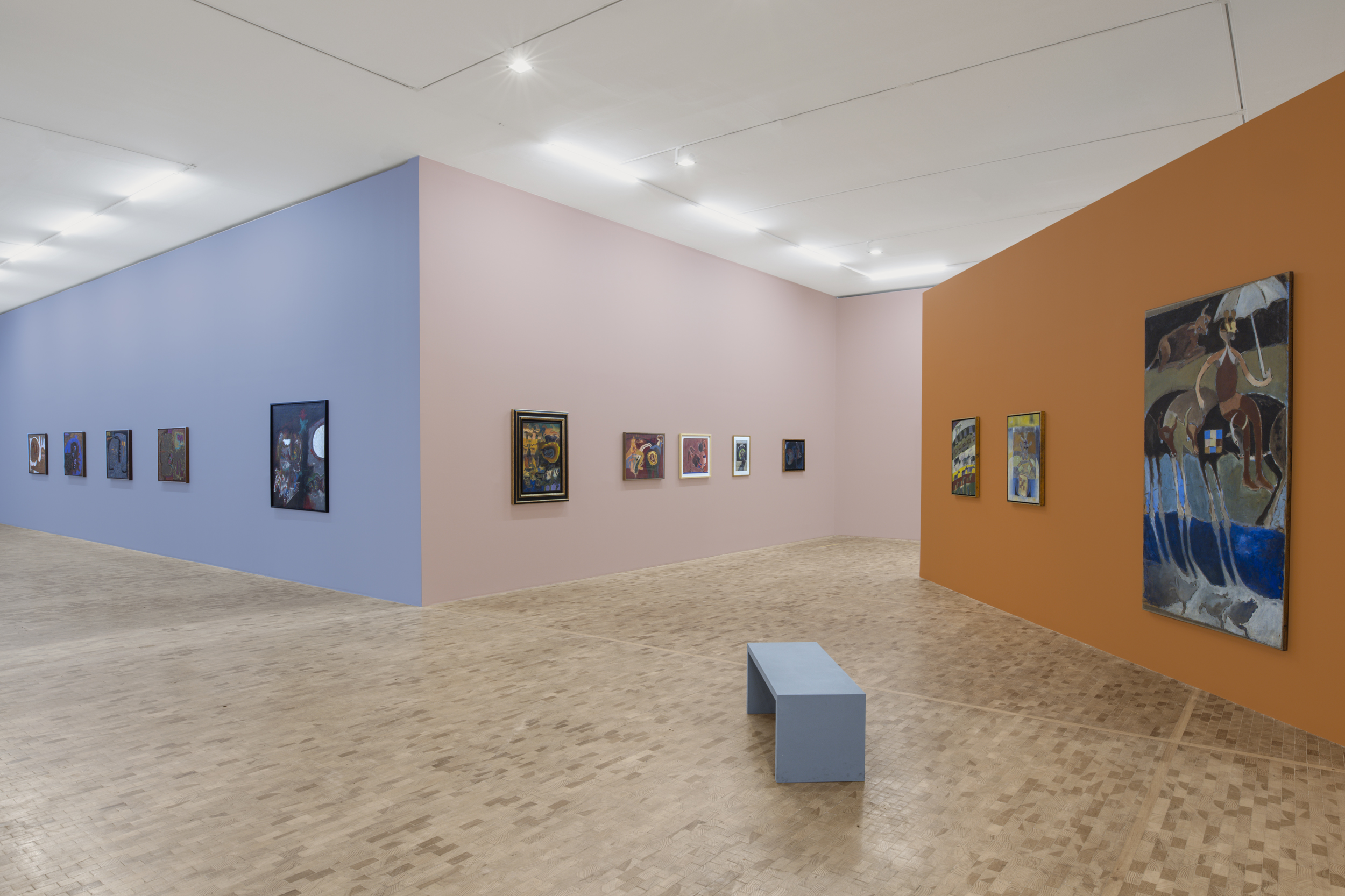
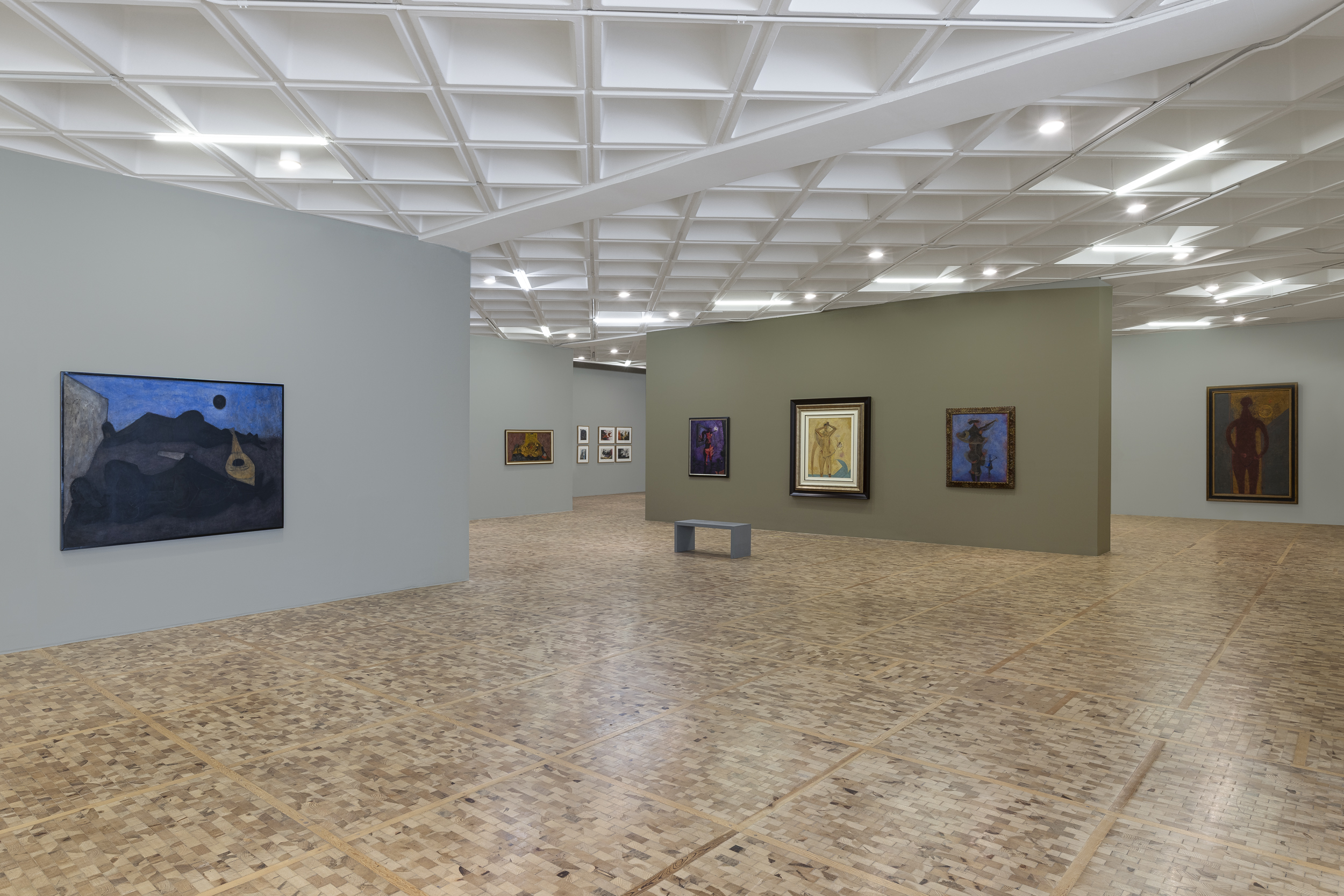
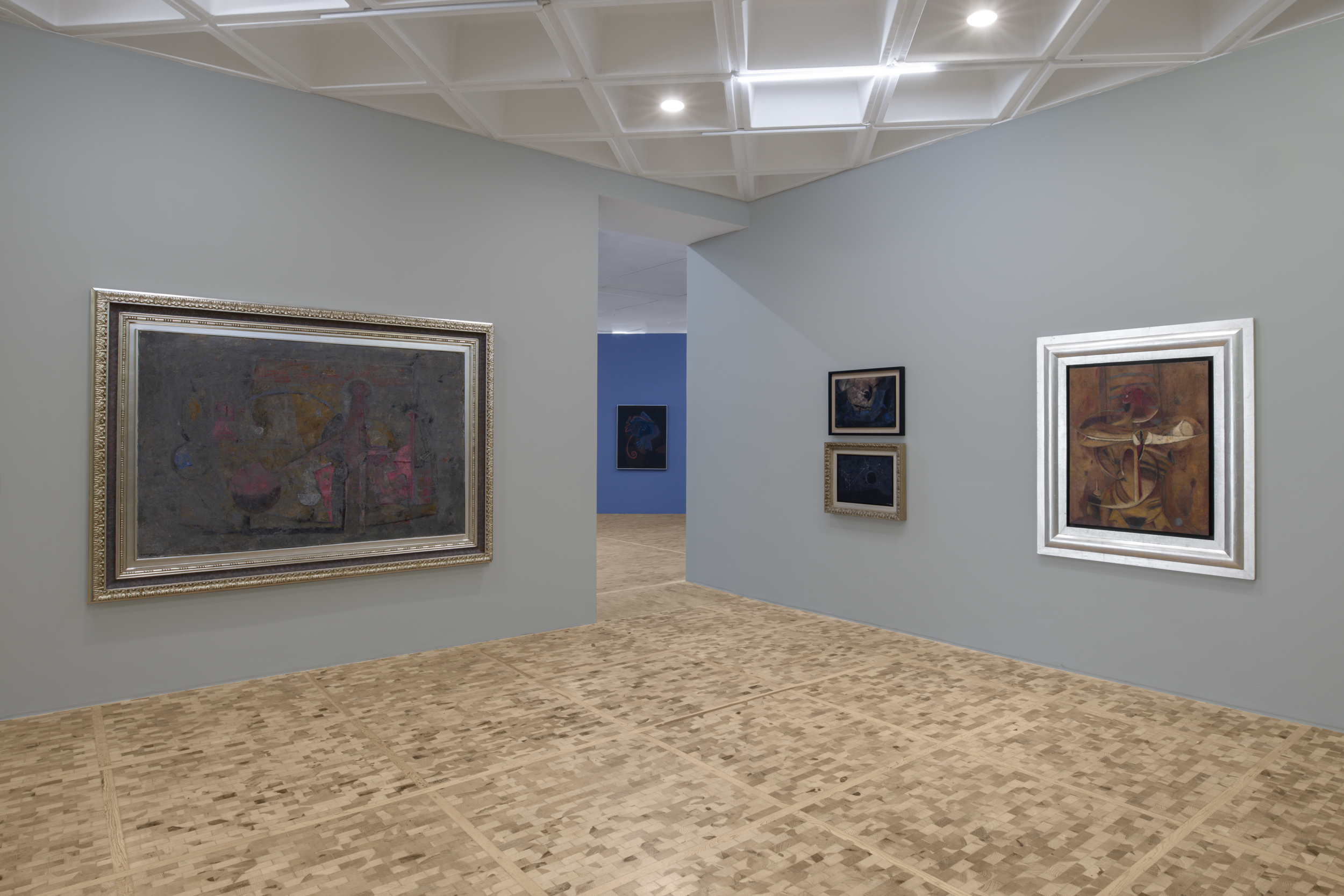
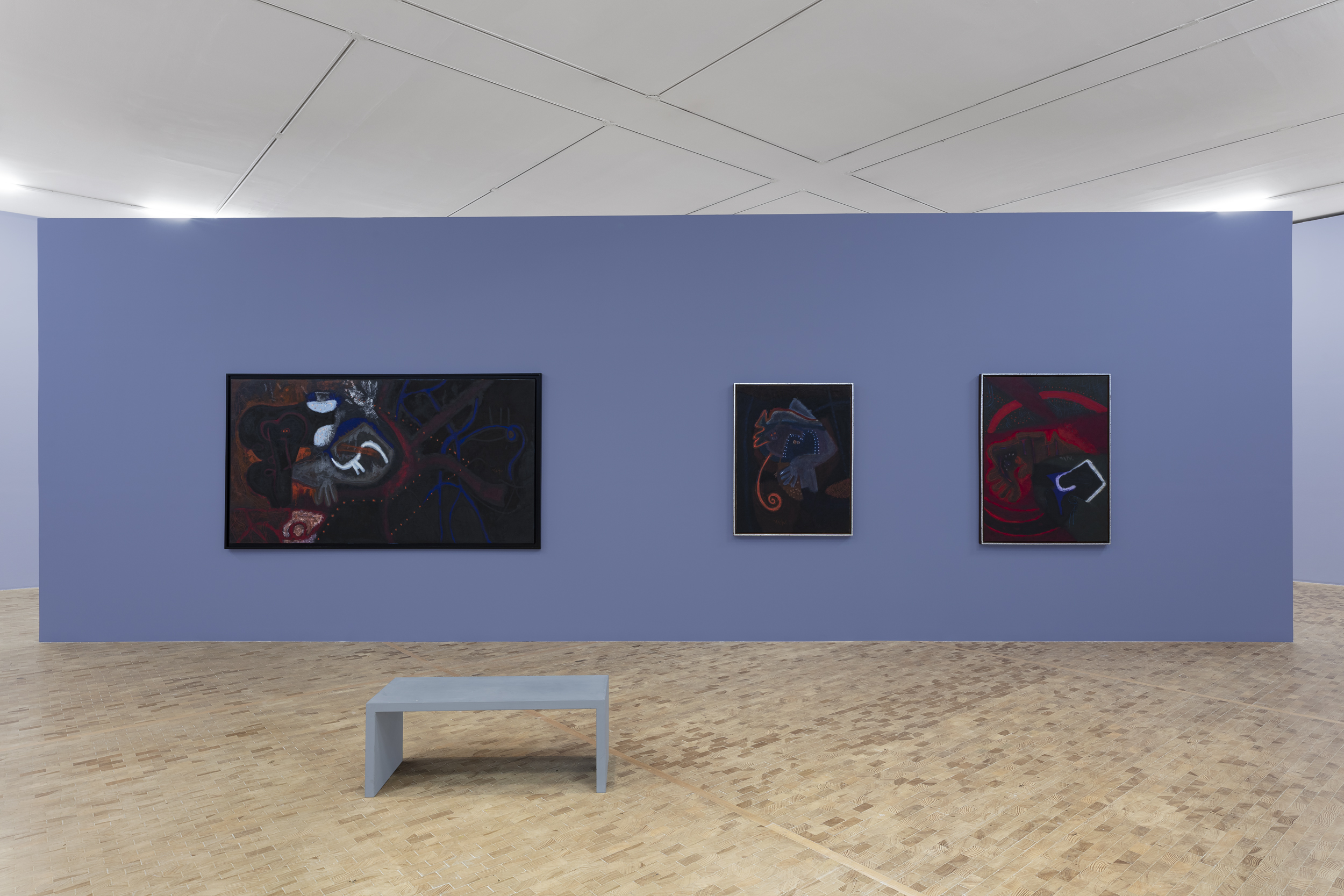
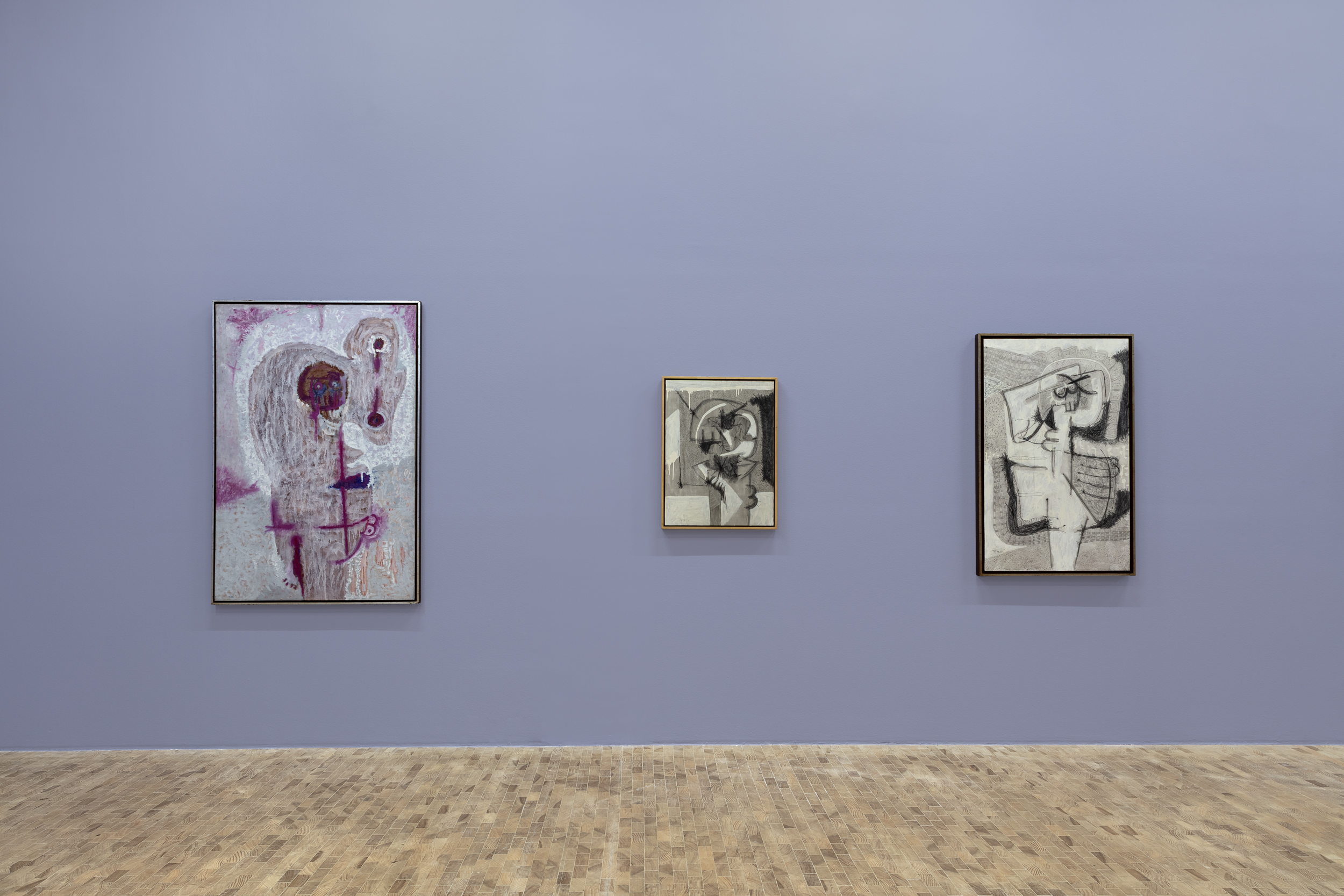
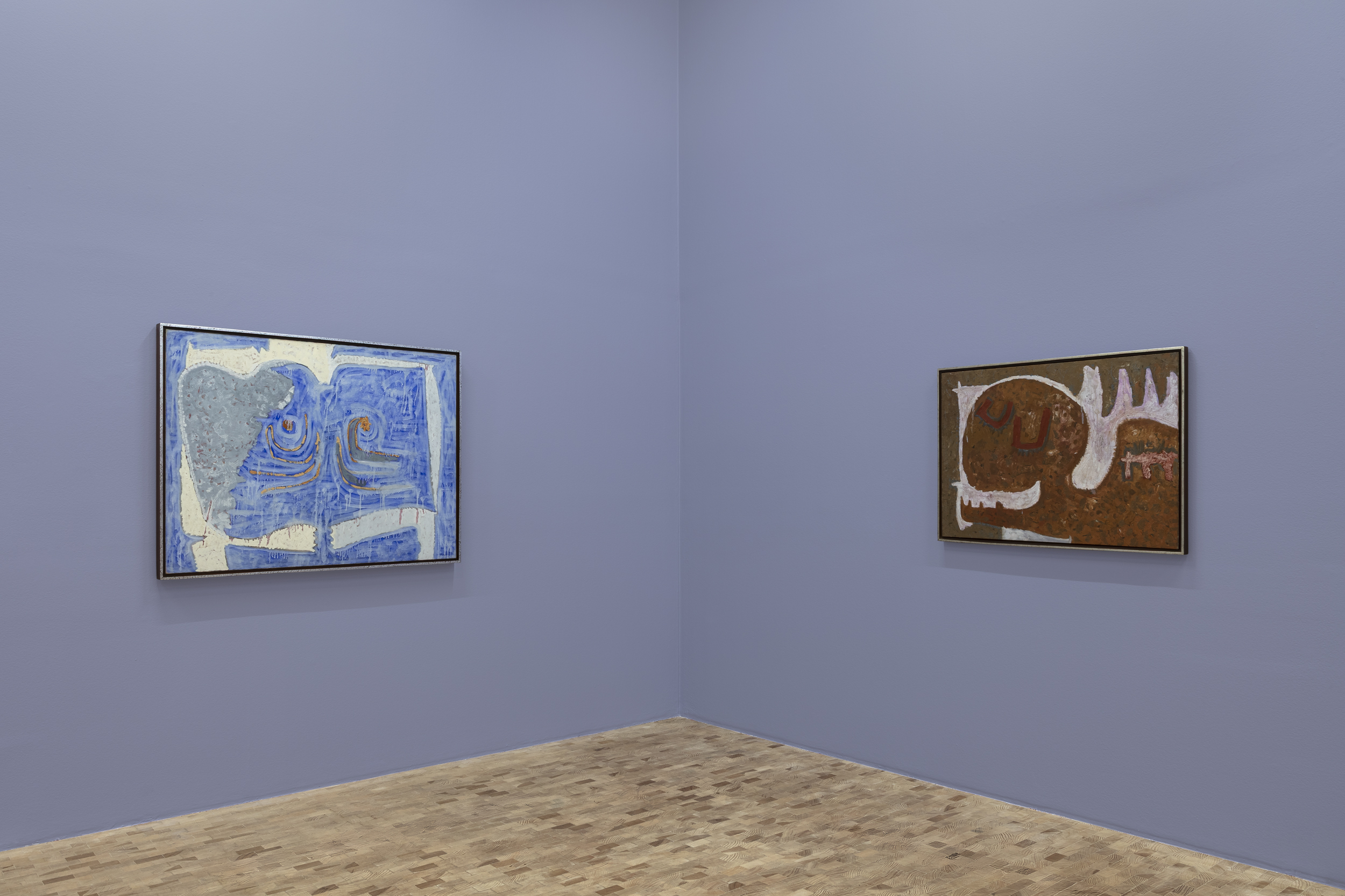
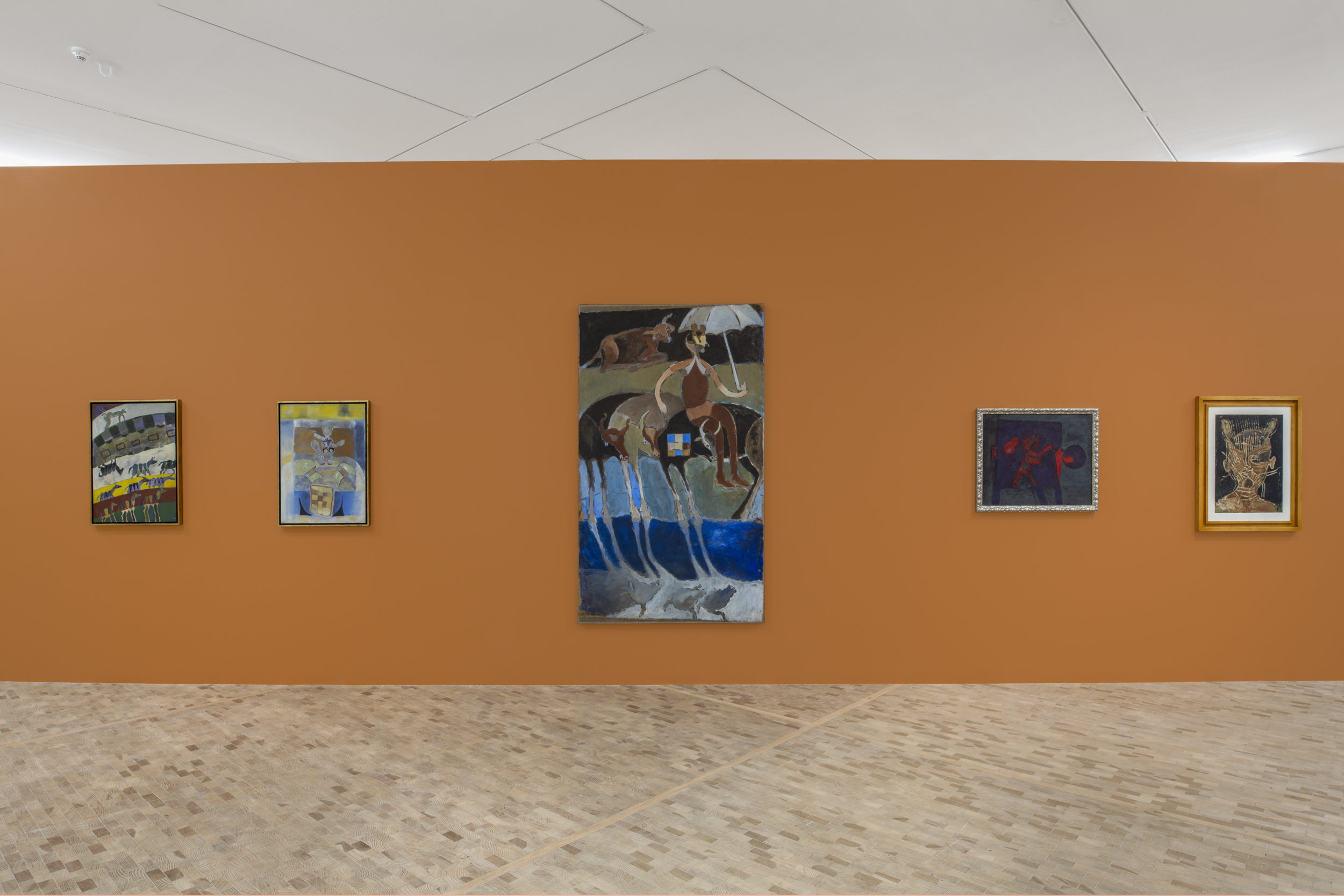
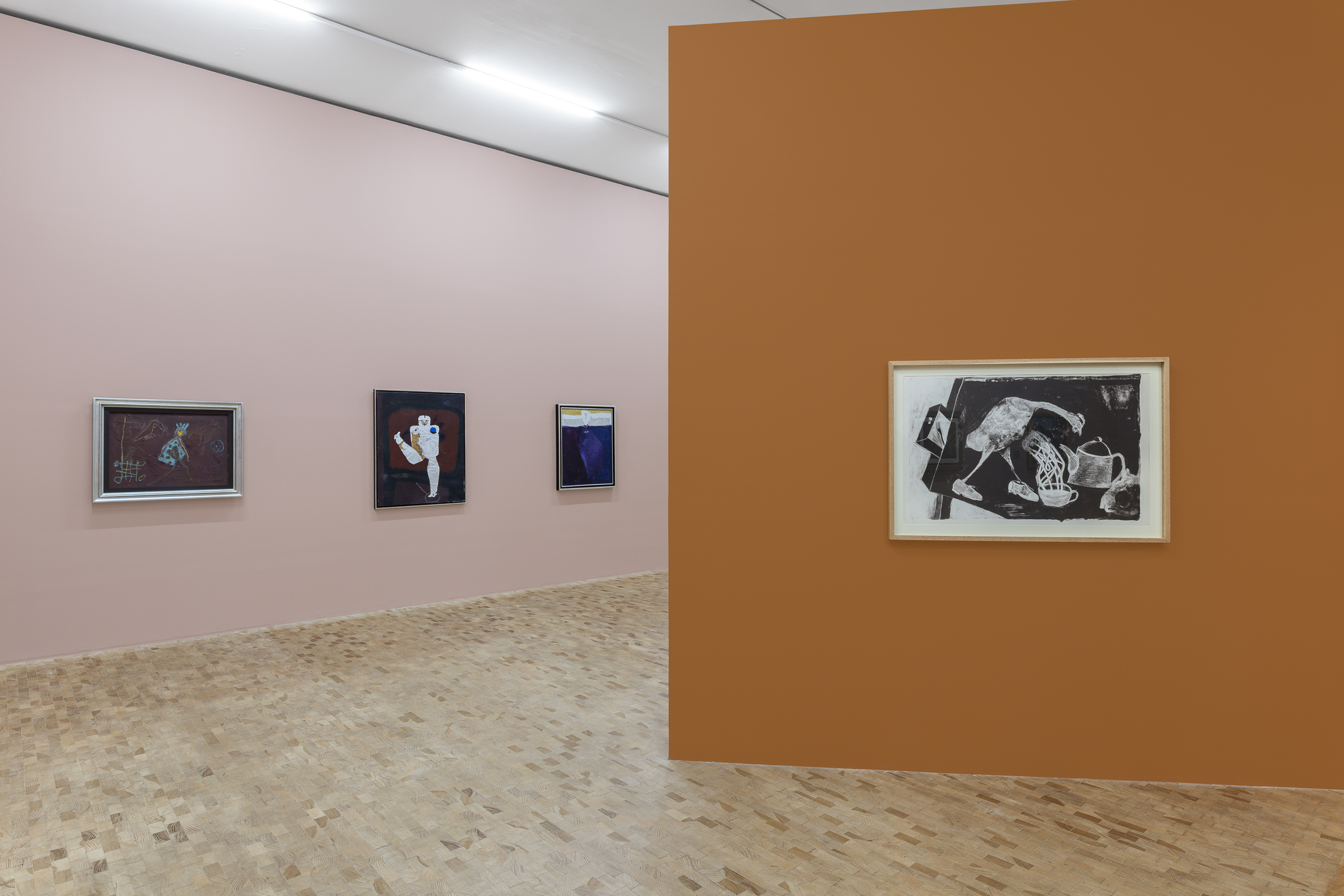
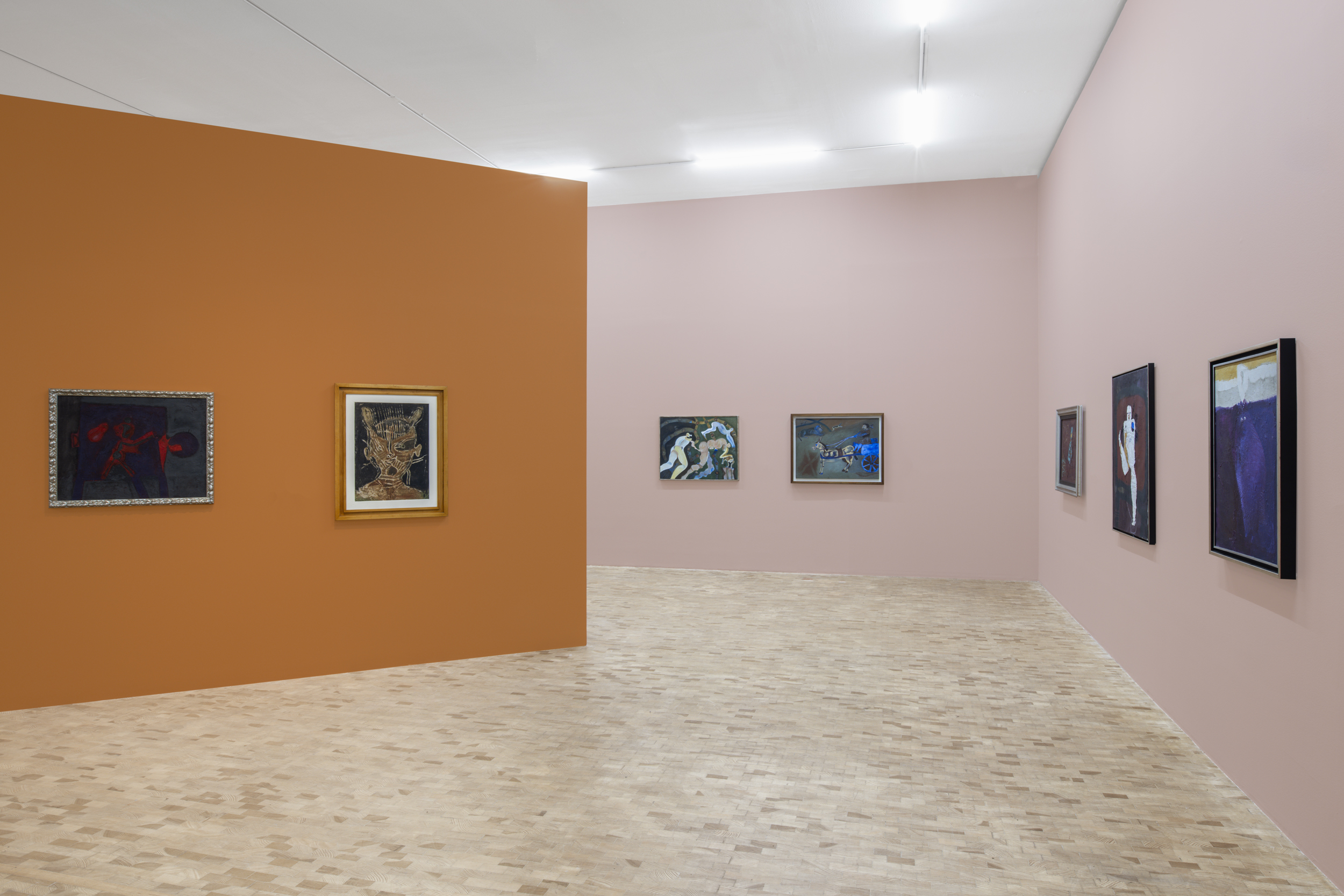
The exhibition brings together works by Oaxacan artists Rufino Tamayo, Rodolfo Nieto and Francisco Toledo, who lived for seasons in Paris in the second half of the 20th century, a geographical area and historical period where they transformed their practices and brought pre-Hispanic aesthetics and popular art into dialogue with international avant-gardes.
From different generations, they left their hometown to settle temporarily in Mexico City and then travel abroad. The three achieved their first recognition outside the country, away from government shelter.
In the French capital —one of the epicenters of contemporary culture and art in the second half of the 20th century— Tamayo, Nieto and Toledo developed their multidisciplinary work, painting, drawing, graphics and collage. The three artists linked up with other visual creators, writers and printing workshops, and other agents, which had repercussions on European art and culture.
One of the focuses of the exhibition is on the role of Rufino Tamayo as a guide for several generations of artists to develop their own thinking. Without intending to, Tamayo exercised leadership over creators who struggled to integrate from Mexico into modernity and participate in international artistic trends.
After their stays abroad, Tamayo, Nieto and Toledo returned to Mexico with solid prestige. His participation in the Mexican cultural sphere confirmed the disappearance of the nationalist canon that had prevailed in the country for more than 50 years.
Rufino Tamayo (Oaxaca, Oaxaca, 1899 — Mexico City, 1991)
At an early age, Rufino Tamayo moved from his native Oaxaca to Mexico City, where he entered the National School of Plastic Arts. During the 1940s, he lived in New York, where he achieved his first creative boom. He has exhibited in numerous museums and galleries in the United States. After 15 years of living in New York, Tamayo moved to Paris in 1950, where he lived for ten years.
In the capital of France, the Mexican character of his painting was valued, which was not associated with folkloric or traditional scenes. Tamayo's aesthetic proposal is based on the universalization of concepts important to ancient Mexican cultures, such as duality, color as an expressive and poetic force, with which the painter did not describe reality but evoked spirituality and emotion. In Paris, Tamayo achieved a balance between tradition and modernity, and incorporated technical and conceptual elements of modern European art to the indigenous roots from which his work had started.
In the context of the Paris School and the post-war period, the painter's creative freedom grew and was added to his formal rigor; he also enriched his work with a prolonged reflection on the new moral and spiritual condition of post-war humanity.
In 1952, the artist worked color lithographs and illustrated books such as Mexican Air, by the writer Benjamin Péret, and Aztlán, Mexican dreams, by writer Man'ha Garreau—Dombasle, as well as the artist's book and portfolio The Apocalypse of Saint John, the first volume of the collection Livres de Peintres Contemporains, published in 1959 by the Club International de Bibliophilie Jaspard, Polus & Cie.
Rodolfo Nieto (Oaxaca, Oaxaca, 1936 — Mexico City, 1985)
At the age of 12, Rodolfo Nieto left Oaxaca and moved to Mexico City, where he began his studies at the National School of Painting, Sculpture and Engraving “La Esmeralda”. He belonged to the generation of the rupture in Mexico. During his stay in Europe, Nieto proposed an unprecedented graphic fusion between human beings and animals, which plastically showed feelings and emotions of vulnerability such as fear, loneliness and existential anguish.
In his extensive series of drawings, illustrations and collages Mental zoology, placed imagination as intuitive knowledge, and hybridization as an unprecedented structural principle. Like Rufino Tamayo, Nieto explored the post-war condition of human beings.
During his travels around Europe, the artist created a masterfully drawn bestiary, which became a kind of autobiography or symbolic spiritual self-portrait. Without abandoning his local roots, his painting acquired poetic density and expressive intensity, conceptual resources with which he integrated himself into the Parisian circuit.
Nieto was associated with cultural agents of literature and music such as Octavio Paz, Julio Cortázar, Alejo Carpentier, Mario Vargas Llosa, Carlos Fuentes, Pablo Neruda and jazz musicians, whose influence enriched his work. He illustrated the French edition of the Fantastic Zoology Handbook, by Jorge Luis Borges, in 1957. He produced lithographic editions in French workshops such as Atelier 17, by Stanley William Hayter, Atelier Mourlot, Atelier Desjobert and Michel Cassé's workshop, as well as at Manus Press, in Germany.
Along with Francisco Toledo, Nieto exhibited at the Kunstnernes Hus in Oslo, Norway, in 1962. He was represented by the Galerie de France, where he exhibited in 1964 and 1967. He won prizes at the Paris Biennale in 1964 and 1968. He participated in the Salon de Mai and exhibited at the Musée d'Art Moderne in Paris. From 1964 to 1968, he lived between Mexico and Paris. In 1969, when he returned to Mexico, he exhibited his series of collages at the Museum of the Palace of Fine Arts Laboratory on paper, made in Paris.
Francisco Toledo (Juchitán, Oaxaca, 1940 — 2019, Oaxaca, Oaxaca)
Upon moving to Mexico City, Francisco Toledo joined the Free Engraving Workshop at the Inbal School of Design and Crafts. Antonio Souza gave him the opportunity to exhibit in his gallery and encouraged him to exhibit in Texas. Due to the success, the gallery owner promoted his trip to Europe. Toledo first visited Italy and then went to Casa de México in the International University City Paris. Souza recommended Toledo to Octavio Paz and Rufino Tamayo, with whom he established an affectionate relationship.
When Rufino Tamayo returned to Mexico, in a symbolic act, he gave his work tools to Toledo and put him in contact with Rafaela Arocena de Ussía, who supported him financially. The painter and writer Bona Tibertelli referred him to work in Stanley William Hayter's Atelier 17. With the help of Tamayo, Toledo exhibited at the Kunstnerness Hus, in Oslo, together with Rodolfo Nieto. He was associated with the Galerie Karl Flinker, where he presented his first exhibition in France.
Francisco Toledo's aesthetic world was enriched during his first stay in Paris. It started from its own foundation, from the local through indigenous tradition, the popular and, above all, from the flow of daily life. The French environment prompted the artist to transform local tradition into a plastic language with universal scope.
The text Permanence du sacre [The permanence of the sacred], by the writer André Pieyre de Mandiargues, became a conceptual canon for Toledo's work. The analysis was later expanded by the writer Henry Miller in an essay for the Toledo exhibition at the Galerie Daniel Gervis, in 1967. The Oaxacan artist also exhibited in Switzerland, Germany and England. He returned to Mexico in 1965, but traveled intermittently to France and Spain.
Toledo's work shows the transformation of nature and the hybridization between human beings and animals, without it becoming capricious iconography. The artist did not illustrate the world but rather made a symbolic reading of the energies that animate it. In a single work by Toledo, references to indigenous Oaxaca, to the history of modern art (mainly by Francisco de Goya, Rufino Tamayo and Jean Dubuffet), to the art of Africa and Oceania coexist.
Curated by: Juan Carlos Pereda
Exhibition Views
Photos: Gerardo Landa y Eduardo López (GLR Estudio).
Para socializar la heterogeneidad de voces que construyen la exposición colectiva OTRXS MUNDXS y profundizar en el discurso de las obras exhibidas en el Museo Tamayo, le pedimos a lxs artistas que nos hablen acerca de los conceptos o ideas que son importantes para expandir los discursos o motivaciones de su práctica.